Individual Details
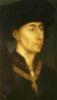
Philippe "the Good" Duc de Bourgogne
(30 Jun 1396 - 15 Jun 1467)
1 Knight & Founder of the Order of the Golden Fleece 1430
140 Knight of the Garter - 1422 but declined the honour
Philippe was born in Dijon on 30 June 1396, the son of Jean 'the Fearless', duc de Bourgogne, and his first wife Margaretha von Bayern. The murder of his father in 1419 made Philippe duke of Burgundy and count of Flanders, Artois and Franche-Comté. He was of medium height and slim. He was virtually independent from his overlord, the king of France. Although chivalrous and pious, he was the father of seventeen illegitimate children. He provided his illegitimate sons with titles and properties or made them bishops and the illegitimate daughters married among the local nobility or were placed in a convent.
His court was one of the most splendid in Europe. He owned one of the largest libraries and patronised such artists as Jan van Eyck and Rogier van der Weyden. Whenever he celebrated it was in style as he wanted to impress, and in this he succeeded, becoming known as 'The Great Duke of the West'.
Philippe married three times. His first two marriages, to Michelle de France, daughter of Charles VI of France, and Bonne d'Artois, did not result in progeny. On 7 January 1430 he married Isabella of Portugal, daughter of Joao I 'o de Boa Memória', king of Portugal, and Philippa of Lancaster. To celebrate the occasion he founded the Order of The Golden Fleece, which he used both to reward the services of those nobles closest to him and to pursue strategic alliances. He had his only legitimate children with Isabella; of his three children with her, only his heir Charles would have progeny.
Continuing his father's pro-English policy, he captured Jeanne d'Arc and handed her over to the English. However, he subsequently changed his alliance, and in 1435 at Atrecht he made peace with the French king.
He purchased the county of Namur; inherited the duchies of Brabant, Limburg and Luxembourg; and forced his cousin Jacoba of Bavaria to hand control to him over her counties of Holland, Zeeland and Hainault. In 1455 he entered the bishopric of Utrecht with an army to establish his illegitimate son David as its bishop.
Philippe had a strange sense of humour; visitors to his palace might find themselves covered in soot or flour, or encounter artificial rain, thunder and lightning. Spending much of his time on entertainment and on his thirty or so mistresses, he left his more serious tasks to others. However he centralised government, and in 1464 the representatives of his many territories met for the first time, a meeting that can be regarded as the beginning of parliamentary government in The Netherlands.
The last years of his life were overshadowed by conflict with his son and heir, Charles 'the Bold'. His nickname 'the Good' may have been mere propaganda, but he was respected for protecting his territories, which prospered in peace. Philippe died at Brugge on 15 June 1467.
Source: Leo van de Pas
140 Knight of the Garter - 1422 but declined the honour
Philippe was born in Dijon on 30 June 1396, the son of Jean 'the Fearless', duc de Bourgogne, and his first wife Margaretha von Bayern. The murder of his father in 1419 made Philippe duke of Burgundy and count of Flanders, Artois and Franche-Comté. He was of medium height and slim. He was virtually independent from his overlord, the king of France. Although chivalrous and pious, he was the father of seventeen illegitimate children. He provided his illegitimate sons with titles and properties or made them bishops and the illegitimate daughters married among the local nobility or were placed in a convent.
His court was one of the most splendid in Europe. He owned one of the largest libraries and patronised such artists as Jan van Eyck and Rogier van der Weyden. Whenever he celebrated it was in style as he wanted to impress, and in this he succeeded, becoming known as 'The Great Duke of the West'.
Philippe married three times. His first two marriages, to Michelle de France, daughter of Charles VI of France, and Bonne d'Artois, did not result in progeny. On 7 January 1430 he married Isabella of Portugal, daughter of Joao I 'o de Boa Memória', king of Portugal, and Philippa of Lancaster. To celebrate the occasion he founded the Order of The Golden Fleece, which he used both to reward the services of those nobles closest to him and to pursue strategic alliances. He had his only legitimate children with Isabella; of his three children with her, only his heir Charles would have progeny.
Continuing his father's pro-English policy, he captured Jeanne d'Arc and handed her over to the English. However, he subsequently changed his alliance, and in 1435 at Atrecht he made peace with the French king.
He purchased the county of Namur; inherited the duchies of Brabant, Limburg and Luxembourg; and forced his cousin Jacoba of Bavaria to hand control to him over her counties of Holland, Zeeland and Hainault. In 1455 he entered the bishopric of Utrecht with an army to establish his illegitimate son David as its bishop.
Philippe had a strange sense of humour; visitors to his palace might find themselves covered in soot or flour, or encounter artificial rain, thunder and lightning. Spending much of his time on entertainment and on his thirty or so mistresses, he left his more serious tasks to others. However he centralised government, and in 1464 the representatives of his many territories met for the first time, a meeting that can be regarded as the beginning of parliamentary government in The Netherlands.
The last years of his life were overshadowed by conflict with his son and heir, Charles 'the Bold'. His nickname 'the Good' may have been mere propaganda, but he was respected for protecting his territories, which prospered in peace. Philippe died at Brugge on 15 June 1467.
Source: Leo van de Pas
Events
| Birth | 30 Jun 1396 | Dijon | |||
| Death | 15 Jun 1467 | Brugge | |||
| Marriage | Catharina de Tiesferies |
Families
| Spouse | Catharina de Tiesferies ( - ) |
| Child | Baudouin de Bourgogne, Sire de Falais (1445 - 1508) |
| Father | Jean "the Fearless" Duc de Bourgogne (1371 - 1419) |
| Mother | Margaretha of Bavaria (1363 - 1424) |