Individual Details
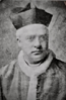
Edward LYNCH
(Abt 1837 - 15 Nov 1902)
Edward became a priest. According to his obituary in the 22 November 1902 edition of The Tablet "Sedgley Park [in Wolverhamption] was his first college, after which he proceeded to Ushaw [County Durham], where he finished his studies and stayed on for some time as a professor" (the 1861 census tells us he was a student at the time at St. Cuthbert's College, a seminary in Ushaw). "Leaving college he went as curate first to St. Werburgh's, Chester" (the 1871 census tells us he was serving at St. Werburgh's). "He next moved to St. Lawrence's, Birkenhead, then to Shrewsbury, then back again to the mission of Our Lady Star of the Sea at Seacombe" (he was at St. Joseph's Presbytery, Wheatland Lane, Seacombe at the time of the 1881 census). "Returning to his first mission of St. Werburgh's, Chester, he remained there till his death" (the 1891 census tells us he was at St. Werburgh's Presbytery, and according to the 1901 census he was living on Union St. in Chester).
After Edward's death probate was granted to Canon Thomas John Marsden and to George Butler, husband of his sister Jane. He left effects amounting to £805 2s. 4d.
John Curtis of St. Werburgh's Church in Chester has kindly allowed me to include in these notes his 2025 essay on Edward's fundraising efforts (Source: 'Catholicism in Chester: 1875-1975' by Sr. Mary Winefride Sturman, OSU):
Born in London in 1837, educated at Sedgely Park and Ushaw, ordained by Bishop Brown in 1869. Curate at St. Werburgh, Chester, 1870-72, Cathedral Administrator 1872-75, curate, then rector 1876 at Birkenhead St. Laurence, he was appointed rector of St. Joseph, Seacombe in 1878.
During his tenure at St. Joseph, the building of the school and presbytery were completed with a new chapel forming part of the school building. He worked tirelessly to this end and a bequest in 1883 paid off the mission debt and a grant of £5,000 was made towards the building of a new church. This was commissioned from Edmund Kirby in 1887.
With these credentials he was an obvious choice to take over the rectorship of the Chester mission in January 1883 and work with the architect to complete the building of St. Werburgh. Internal improvements to the Church were very slow and dependent on gifts, legacies given to support it. In August 1883, a new organ provided by Mr. Owen Reilly, the year previously was relocated to the back of the church, the gallery on the sanctuary, its previous location had proven insufficiently strong to bear the weight. The following September 1884, Cardinal Manning preached at St. Werburgh’s, supporting fund raising efforts in aid of the Queen Street Catholic Schools. The current debt of on the schools was just under £300 and there was always an annual deficiency. In anticipation of the visit, St. Werburgh’s Sanctuary was decorated for the occasion by Mr. Francis Smith, artist decorator, Chester and London.
Many of the parishioners had occasion to use the facilities of the Chester Union. Father Lynch tried on a number of occasions to become elected to the Board of Guardians. Canon Carberry had previously undertaken this role at the Chester Infirmary but not Canon Buquet. Chester Observer, 1888 reported that finally Reverend Lynch was successful in his quest and that he had been also elected and that a meeting of the Board he had been elected as member of their Visiting Committee.
Progress on fund raising was slow and improvements to the internal structure of the existing Church premises dependent on gifts and legacies which were few and far between. One of the first projects to be tackled in 1886 was to fill in the windows of the Apse with stained glass. A design for this project was submitted by Edmund Kirby, founded on subjects taken from our Lord’s Passion, each of the seven windows having one of these subjects as its lead feature. From the designs, three of the windows were chosen for immediate execution, donors were found, Mr. George Hostage, Mr. J. N. Lomax, the third window being paid for by members of the congregation and friends of the Canon Lynch. The work was undertaken by Messrs. Clayton and Bell of London at a cost of about £300. Over the previous three years nearly £700 had been collected and spent on the interior the church, with capitals on the columns dividing the nave and the aisles being carved.
The struggle to repay the mission debt was immense. In February 1891, on the Feast of St. Werburgh, His Grace the Most Reverend Archbishop Scarisbrick came to support the Church, offertories throughout the day were devoted to support the reduction of the mission debt, which still stood at £5,500. A Caen stone font on marble supports, the gift of Mrs. H. Y. Barker, for the baptism of her son fulfilled the long felt need for a handsome font in the Church.
Two more windows were displayed for the first time at the Rosary Mass in 1894, thus completing the installation of stain glass in the Apse for all windows visible from the nave. On the same occasion, Canon Cholmondeley was the first to preach at the newly installed pulpit, the gift of Pat Collins. It was also the date of a concert and presentation to Canon Lynch in the school rooms of gift to celebrate his silver jubilee as a priest. Contrary to Canon Lynch’s wishes, he did not want a public presentation, but a purse of 206 sovereigns had been collected for him in recognition of the costly decorations and embellishments that have been made to the church and improvements to the schools that had been made during his pastorate. Canon Lynch responded to the presentation that half of the amount collected would go towards further reducing the debt on their church the remainder towards beautifying some area of the church. Later he had rendered the church more comfortable by installing the first heating apparatus.
Two legacies gifted to St. Werburgh’s just before the turn of the century, enabled Canon Lynch to install the Sacred Heart altar, its associated stained glass windows and pay off the outstanding debt on the mission. Josephine Hall paid for the Sacred Heart Chapel as a remembrance for the death of her parents and sister , and by his will, Canon Tatlock paid off the parish debt of £3,750 on St. Werburgh’s, and the £3,000 still owing from St. Francis. The High Altar at the latter Church was erected as a memorial to the Tatlock family. The paying off the debt on the Church which had been £6,600 when he came to Chester in 1883 was an enormous achievement. He now set himself the target of raising funds for the completion of the Church, achieving a total of £1,700 towards this work.
Sadly, he fell from a tram and in failing health did not recover from this event. He died 15 November 1902. Following his Requiem Mass funeral service at St. Werburgh’s, attended by the Bishop and the Chapter, the body was escorted to London where he was buried in Kensal Green Cemetery. The Canon Lynch Memorial Windows, by Hardmans, were erected in 1904 as a tribute to him and his service to the parish. Canon Chambers records in the September magazine that he was unable to have the Bishop present to dedicate them at that time due to the work on the new sacristies. Canon Chambers was already putting to good use the results of Canon Lynch’s fund raising efforts."
After Edward's death probate was granted to Canon Thomas John Marsden and to George Butler, husband of his sister Jane. He left effects amounting to £805 2s. 4d.
John Curtis of St. Werburgh's Church in Chester has kindly allowed me to include in these notes his 2025 essay on Edward's fundraising efforts (Source: 'Catholicism in Chester: 1875-1975' by Sr. Mary Winefride Sturman, OSU):
Born in London in 1837, educated at Sedgely Park and Ushaw, ordained by Bishop Brown in 1869. Curate at St. Werburgh, Chester, 1870-72, Cathedral Administrator 1872-75, curate, then rector 1876 at Birkenhead St. Laurence, he was appointed rector of St. Joseph, Seacombe in 1878.
During his tenure at St. Joseph, the building of the school and presbytery were completed with a new chapel forming part of the school building. He worked tirelessly to this end and a bequest in 1883 paid off the mission debt and a grant of £5,000 was made towards the building of a new church. This was commissioned from Edmund Kirby in 1887.
With these credentials he was an obvious choice to take over the rectorship of the Chester mission in January 1883 and work with the architect to complete the building of St. Werburgh. Internal improvements to the Church were very slow and dependent on gifts, legacies given to support it. In August 1883, a new organ provided by Mr. Owen Reilly, the year previously was relocated to the back of the church, the gallery on the sanctuary, its previous location had proven insufficiently strong to bear the weight. The following September 1884, Cardinal Manning preached at St. Werburgh’s, supporting fund raising efforts in aid of the Queen Street Catholic Schools. The current debt of on the schools was just under £300 and there was always an annual deficiency. In anticipation of the visit, St. Werburgh’s Sanctuary was decorated for the occasion by Mr. Francis Smith, artist decorator, Chester and London.
Many of the parishioners had occasion to use the facilities of the Chester Union. Father Lynch tried on a number of occasions to become elected to the Board of Guardians. Canon Carberry had previously undertaken this role at the Chester Infirmary but not Canon Buquet. Chester Observer, 1888 reported that finally Reverend Lynch was successful in his quest and that he had been also elected and that a meeting of the Board he had been elected as member of their Visiting Committee.
Progress on fund raising was slow and improvements to the internal structure of the existing Church premises dependent on gifts and legacies which were few and far between. One of the first projects to be tackled in 1886 was to fill in the windows of the Apse with stained glass. A design for this project was submitted by Edmund Kirby, founded on subjects taken from our Lord’s Passion, each of the seven windows having one of these subjects as its lead feature. From the designs, three of the windows were chosen for immediate execution, donors were found, Mr. George Hostage, Mr. J. N. Lomax, the third window being paid for by members of the congregation and friends of the Canon Lynch. The work was undertaken by Messrs. Clayton and Bell of London at a cost of about £300. Over the previous three years nearly £700 had been collected and spent on the interior the church, with capitals on the columns dividing the nave and the aisles being carved.
The struggle to repay the mission debt was immense. In February 1891, on the Feast of St. Werburgh, His Grace the Most Reverend Archbishop Scarisbrick came to support the Church, offertories throughout the day were devoted to support the reduction of the mission debt, which still stood at £5,500. A Caen stone font on marble supports, the gift of Mrs. H. Y. Barker, for the baptism of her son fulfilled the long felt need for a handsome font in the Church.
Two more windows were displayed for the first time at the Rosary Mass in 1894, thus completing the installation of stain glass in the Apse for all windows visible from the nave. On the same occasion, Canon Cholmondeley was the first to preach at the newly installed pulpit, the gift of Pat Collins. It was also the date of a concert and presentation to Canon Lynch in the school rooms of gift to celebrate his silver jubilee as a priest. Contrary to Canon Lynch’s wishes, he did not want a public presentation, but a purse of 206 sovereigns had been collected for him in recognition of the costly decorations and embellishments that have been made to the church and improvements to the schools that had been made during his pastorate. Canon Lynch responded to the presentation that half of the amount collected would go towards further reducing the debt on their church the remainder towards beautifying some area of the church. Later he had rendered the church more comfortable by installing the first heating apparatus.
Two legacies gifted to St. Werburgh’s just before the turn of the century, enabled Canon Lynch to install the Sacred Heart altar, its associated stained glass windows and pay off the outstanding debt on the mission. Josephine Hall paid for the Sacred Heart Chapel as a remembrance for the death of her parents and sister , and by his will, Canon Tatlock paid off the parish debt of £3,750 on St. Werburgh’s, and the £3,000 still owing from St. Francis. The High Altar at the latter Church was erected as a memorial to the Tatlock family. The paying off the debt on the Church which had been £6,600 when he came to Chester in 1883 was an enormous achievement. He now set himself the target of raising funds for the completion of the Church, achieving a total of £1,700 towards this work.
Sadly, he fell from a tram and in failing health did not recover from this event. He died 15 November 1902. Following his Requiem Mass funeral service at St. Werburgh’s, attended by the Bishop and the Chapter, the body was escorted to London where he was buried in Kensal Green Cemetery. The Canon Lynch Memorial Windows, by Hardmans, were erected in 1904 as a tribute to him and his service to the parish. Canon Chambers records in the September magazine that he was unable to have the Bishop present to dedicate them at that time due to the work on the new sacristies. Canon Chambers was already putting to good use the results of Canon Lynch’s fund raising efforts."
Events
| Birth | Abt 1837 | London | |||
| Death | 15 Nov 1902 | Cheshire | |||
| Burial | 19 Nov 1902 | St. Mary's Cemetery, Kensal Green, London (grave 2556) |
Families
| Father | John LYNCH (1806 - 1873) |
| Mother | Mary Ann EGAN (1813 - 1887) |
| Sibling | Jane LYNCH (1834 - 1902) |
| Sibling | Abigail (Abby) LYNCH (1836 - 1916) |
| Sibling | John Joseph LYNCH (1840 - 1912) |
| Sibling | William Stephen LYNCH (1842 - 1906) |
| Sibling | Anna Maria LYNCH (1843 - 1916) |
| Sibling | Albert Henry LYNCH (1846 - 1854) |
| Sibling | Teresa L. LYNCH (1849 - 1881) |