Individual Details
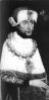
Duke Ludwig II (der Strenge) of Bavaria
(13 Apr 1229 - 2 Feb 1294)
Ludwig was born on 13 April 1229, the elder son of Otto II, duke of Bavaria, and Agnes, Pfalzgräfin am Rhein. In his younger years he already experienced warfare, in 1246 with King Konrad IV against the landgrave of Thuringia and 1251 against the bishop of Regensburg. In 1253 Ludwig II began his reign as duke of Bavaria on the death of his father. On 28 March 1255 he divided the rule of Bavaria with his brother Heinrich XIII; Heinrich received Lower Bavaria and Ludwig Upper Bavaria - where he made Munich the residence - and the Palatinate. The ostensible conflicts between them were really disputes between their followers.
His epithet 'der Strenge' stems from the fact that he allowed his first wife Maria of Brabant to be beheaded in 1256, because he falsely suspected her of adultery. As atonement for this deed, Ludwig founded the monastery of Fürstenfeld. His second marriage was to Anna Glogowski, daughter of Konrad I, duke Glogowsko-Bytomski, and Salomea of Poland. There were no offspring from his first marriage, and the three children of his second marriage had no progeny.
Ludwig was a guardian for his nephew Konradin von Hohenstaufen. He arranged the dukedom of Swabia for him, and accompanied him on his Italian campaign of 1267 as far as Verona. His withdrawal meant that he was not involved in the destruction of Konradin, executed in Naples in 1268. However he profited materially from Konradin's death, as Konradin had appointed him as his successor and left him the so-called 'Konradin estates' in the Upper Palatinate, around Sulzbach, in southwest Bavaria and in Bavarian Swabia. Ludwig received confirmation of these acquisitions from Rudolf von Habsburg in exchange for his support in the election for German king. He also received the hand of Rudolf's daughter Mathilde as his third wife; they had five children, of whom four would have progeny: his sons Rudolf I ('der Stammler') and Ludwig IV ('der Bayer', the future emperor), and daughters Matilde and Agnes. With this marriage to Mathilde, Ludwig became a supporter of the Habsburgs, siding with his father-in-law against Przemysl Ottokar II, king of Bohemia. In 1276 he received his electorate, and in 1278 he took part in the battle on the Marchfield in which Ottokar II was killed.
After the death of his father-in-law in 1291 he could not push through the election of his brother-in-law Albrecht von Habsburg as German king (emperor-elect). Albrecht was forced to accept the election of Adolf of Nassau as German king (but in 1298 he mustered sufficient allies to defeat Adolf at Gelnheim (also called Gollheim), near Worms and Spiers).
While Ludwig was able to keep the electorate of the Palatinate, the Bavarian electorate reverted to Bohemia in 1289. Ludwig received considerable new estates for his dukedom - also in the Palatinate - and strongly built up his ducal power. He died on 2 February 1294 in his Palatinate residence in Heidelberg. His successor was his son Rudolf I from his third marriage with Mathilde von Habsburg.
Source: Leo van de Pas
His epithet 'der Strenge' stems from the fact that he allowed his first wife Maria of Brabant to be beheaded in 1256, because he falsely suspected her of adultery. As atonement for this deed, Ludwig founded the monastery of Fürstenfeld. His second marriage was to Anna Glogowski, daughter of Konrad I, duke Glogowsko-Bytomski, and Salomea of Poland. There were no offspring from his first marriage, and the three children of his second marriage had no progeny.
Ludwig was a guardian for his nephew Konradin von Hohenstaufen. He arranged the dukedom of Swabia for him, and accompanied him on his Italian campaign of 1267 as far as Verona. His withdrawal meant that he was not involved in the destruction of Konradin, executed in Naples in 1268. However he profited materially from Konradin's death, as Konradin had appointed him as his successor and left him the so-called 'Konradin estates' in the Upper Palatinate, around Sulzbach, in southwest Bavaria and in Bavarian Swabia. Ludwig received confirmation of these acquisitions from Rudolf von Habsburg in exchange for his support in the election for German king. He also received the hand of Rudolf's daughter Mathilde as his third wife; they had five children, of whom four would have progeny: his sons Rudolf I ('der Stammler') and Ludwig IV ('der Bayer', the future emperor), and daughters Matilde and Agnes. With this marriage to Mathilde, Ludwig became a supporter of the Habsburgs, siding with his father-in-law against Przemysl Ottokar II, king of Bohemia. In 1276 he received his electorate, and in 1278 he took part in the battle on the Marchfield in which Ottokar II was killed.
After the death of his father-in-law in 1291 he could not push through the election of his brother-in-law Albrecht von Habsburg as German king (emperor-elect). Albrecht was forced to accept the election of Adolf of Nassau as German king (but in 1298 he mustered sufficient allies to defeat Adolf at Gelnheim (also called Gollheim), near Worms and Spiers).
While Ludwig was able to keep the electorate of the Palatinate, the Bavarian electorate reverted to Bohemia in 1289. Ludwig received considerable new estates for his dukedom - also in the Palatinate - and strongly built up his ducal power. He died on 2 February 1294 in his Palatinate residence in Heidelberg. His successor was his son Rudolf I from his third marriage with Mathilde von Habsburg.
Source: Leo van de Pas
Events
| Birth | 13 Apr 1229 | Heidelberg | |||
| Marriage | 24 Oct 1273 | Aachen - Mathilde von Habsburg | |||
| Death | 2 Feb 1294 | Heidelberg |
Families
| Spouse | Mathilde von Habsburg (1253 - 1304) |
| Child | Ludwig IV (Der Bayer) Emperor of the Holy Roman Empire (1282 - 1347) |