Individual Details
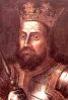
Alfonso IV King of Portugal
(8 Feb 1291 - 28 May 1357)
Alfonso IV (8 February 1291 – 28 May 1357), called the Brave (Portuguese: o Bravo), was the seventh king of Portugal and the Algarve from 1325 until his death. He was the only legitimate son of King Dinis of Portugal by his wife Elizabeth of Aragon.
Alfonso, born in Lisbon, was the rightful heir to the Portuguese throne. However, he was not, according to several sources, Dinis' favourite son; his half-brother, the illegitimate Alfonso Sanches, enjoyed full royal favour. From early in life, the notorious rivalry led to several outbreaks of civil war. On 7 January 1325, Afonso's father died and he became king, taking full revenge on his brother. His rival was sentenced to exile in Castile, and stripped of all the lands and fiefdoms donated by their father. Afonso Sanches, however, did not sit still. From Castile, he orchestrated a series of attempts to usurp the crown for himself. After a few failed attempts at invasion, both brothers signed a peace treaty, arranged by Afonso's mother Queen Elizabeth.
In 1309, Alfonso IV married Infanta Beatrice of Castille, daughter of King Sancho IV of Castille by his wife Maria de Molina. The first-born of this union, Infanta Maria of Portugal, married King Alfonso XI of Castille in 1328, at the same time that Alfonso IV's heir, Peter I of Portugal, was promised to another Castilian infanta, Constance of Penafiel. These arrangements were imperiled by the ill will of Alfonso XI of Castille, who was, at the time, publicly mistreating his wife. Alfonso IV was not happy to see his daughter abused, and started a war against Castille. Peace arrived four years later, with the intervention of Infanta Maria herself. A peace treaty was signed in Seville in 1339 and, in the next year, Portuguese troops played an important role in the victory of the Battle of Rio Salado over the Marinid Moors in October 1340.
The last part of Alfonso IV's reign is marked not by open warfare against Castille, but by political intrigue. Civil war between King Pedro of Castile and his half-brother Henry of Trastamara led to the exile of many Castilian nobles to Portugal. These immigrants immediately created a faction among the Portuguese court, aiming at privileges and power that, somehow, could compensate what they lost at home. The faction grew in power, especially after Inęs de Castro, daughter of an important nobleman and maid of the Crown Princess Constance, became the lover of her lady's husband: Peter, the heir of Portugal. Afonso IV was displeased with his son's choice of lovers, and hoped that the relationship would be a futile one. Unfortunately for internal politics, it was not. Peter was openly in love with Ines, recognized all the children she bore, and, worst of all, favoured the Castilians that surrounded her. Moreover, after his wife's death in 1349, Peter refused the idea of marrying anyone other than Ines herself.
The situation became worse as the years passed and the aging Afonso lost control over his court. Peter's only male heir, future king Fernando of Portugal, was a sickly child, while the illegitimate children sired with Inés thrived. Worried about his legitimate grandson's life, and the growing power of Castille within Portugal's borders, Afonso ordered the murder of Inęs de Castro in 1355. He expected his son to give in, but the heir was not able to forgive him for the act. Enraged at the barbaric act, Peter put himself at the head of an army and devastated the country between the Douro and the Minho rivers before he was reconciled to his father in early 1357. Alfonso died almost immediately after, in Lisbon in May
As king, Alfonso IV is remembered as a soldier and a valiant general, hence the nickname the Brave. But perhaps his most important contribution was the importance he gave to the Portuguese navy. Alfonso IV granted public funding to raise a proper commercial fleet and ordered the first maritime explorations. The Canary Islands (today a part of Spain) were discovered during his reign.
Source: Wikipedia
Afonso was the son and heir of Diniz 'o Lavrador', king of Portugal. Resenting the way his father favoured his illegitimate half-brothers, Afonso started a revolt against his father and moved an army towards Lisbon, ready to do battle. However his mother Isabel of Aragón moved between the two armies and forced an uneasy peace between father and son that lasted until Diniz died and Afonso became king of Portugal.
On 12 September 1309 Afonso married Beatriz of Castile, daughter of Sancho IV 'the Brave', king of Castile and León, and Maria de Molina. They had seven children of whom a daughter Maria and his heir Pedro would have progeny. He also had a daughter by an unnamed mistress.
As king, Afonso continued his vendetta against his half-brothers, beheading one and confiscating all the property of another who had escaped to Castile. He arranged a marriage for his daughter Maria to King Alfonso XI of Castile, the grandson of Afonso's father-in-law Sancho IV. This turned out to be most unhappy as the Castilian king not only favoured a mistress, Leonor de Guzmán, but also treated his wife cruelly. To protect his daughter, Afonso IV was ready to invade Castile. Although his mother Isabel of Aragón again intervened, her death the same year removed a great influence for good in Portugal.
When Moors came from Africa in 1340 to support those in Granada, this event removed the differences between Portugal and Castile. Together they attacked the enemy, and at the Battle of Salado on 29 October 1340, Afonso earned the nickname 'the Brave'. He died on 28 May 1357, and was succeeded by Pedro.
Source: Leo van de Pas
Alfonso, born in Lisbon, was the rightful heir to the Portuguese throne. However, he was not, according to several sources, Dinis' favourite son; his half-brother, the illegitimate Alfonso Sanches, enjoyed full royal favour. From early in life, the notorious rivalry led to several outbreaks of civil war. On 7 January 1325, Afonso's father died and he became king, taking full revenge on his brother. His rival was sentenced to exile in Castile, and stripped of all the lands and fiefdoms donated by their father. Afonso Sanches, however, did not sit still. From Castile, he orchestrated a series of attempts to usurp the crown for himself. After a few failed attempts at invasion, both brothers signed a peace treaty, arranged by Afonso's mother Queen Elizabeth.
In 1309, Alfonso IV married Infanta Beatrice of Castille, daughter of King Sancho IV of Castille by his wife Maria de Molina. The first-born of this union, Infanta Maria of Portugal, married King Alfonso XI of Castille in 1328, at the same time that Alfonso IV's heir, Peter I of Portugal, was promised to another Castilian infanta, Constance of Penafiel. These arrangements were imperiled by the ill will of Alfonso XI of Castille, who was, at the time, publicly mistreating his wife. Alfonso IV was not happy to see his daughter abused, and started a war against Castille. Peace arrived four years later, with the intervention of Infanta Maria herself. A peace treaty was signed in Seville in 1339 and, in the next year, Portuguese troops played an important role in the victory of the Battle of Rio Salado over the Marinid Moors in October 1340.
The last part of Alfonso IV's reign is marked not by open warfare against Castille, but by political intrigue. Civil war between King Pedro of Castile and his half-brother Henry of Trastamara led to the exile of many Castilian nobles to Portugal. These immigrants immediately created a faction among the Portuguese court, aiming at privileges and power that, somehow, could compensate what they lost at home. The faction grew in power, especially after Inęs de Castro, daughter of an important nobleman and maid of the Crown Princess Constance, became the lover of her lady's husband: Peter, the heir of Portugal. Afonso IV was displeased with his son's choice of lovers, and hoped that the relationship would be a futile one. Unfortunately for internal politics, it was not. Peter was openly in love with Ines, recognized all the children she bore, and, worst of all, favoured the Castilians that surrounded her. Moreover, after his wife's death in 1349, Peter refused the idea of marrying anyone other than Ines herself.
The situation became worse as the years passed and the aging Afonso lost control over his court. Peter's only male heir, future king Fernando of Portugal, was a sickly child, while the illegitimate children sired with Inés thrived. Worried about his legitimate grandson's life, and the growing power of Castille within Portugal's borders, Afonso ordered the murder of Inęs de Castro in 1355. He expected his son to give in, but the heir was not able to forgive him for the act. Enraged at the barbaric act, Peter put himself at the head of an army and devastated the country between the Douro and the Minho rivers before he was reconciled to his father in early 1357. Alfonso died almost immediately after, in Lisbon in May
As king, Alfonso IV is remembered as a soldier and a valiant general, hence the nickname the Brave. But perhaps his most important contribution was the importance he gave to the Portuguese navy. Alfonso IV granted public funding to raise a proper commercial fleet and ordered the first maritime explorations. The Canary Islands (today a part of Spain) were discovered during his reign.
Source: Wikipedia
Afonso was the son and heir of Diniz 'o Lavrador', king of Portugal. Resenting the way his father favoured his illegitimate half-brothers, Afonso started a revolt against his father and moved an army towards Lisbon, ready to do battle. However his mother Isabel of Aragón moved between the two armies and forced an uneasy peace between father and son that lasted until Diniz died and Afonso became king of Portugal.
On 12 September 1309 Afonso married Beatriz of Castile, daughter of Sancho IV 'the Brave', king of Castile and León, and Maria de Molina. They had seven children of whom a daughter Maria and his heir Pedro would have progeny. He also had a daughter by an unnamed mistress.
As king, Afonso continued his vendetta against his half-brothers, beheading one and confiscating all the property of another who had escaped to Castile. He arranged a marriage for his daughter Maria to King Alfonso XI of Castile, the grandson of Afonso's father-in-law Sancho IV. This turned out to be most unhappy as the Castilian king not only favoured a mistress, Leonor de Guzmán, but also treated his wife cruelly. To protect his daughter, Afonso IV was ready to invade Castile. Although his mother Isabel of Aragón again intervened, her death the same year removed a great influence for good in Portugal.
When Moors came from Africa in 1340 to support those in Granada, this event removed the differences between Portugal and Castile. Together they attacked the enemy, and at the Battle of Salado on 29 October 1340, Afonso earned the nickname 'the Brave'. He died on 28 May 1357, and was succeeded by Pedro.
Source: Leo van de Pas
Events
| Birth | 8 Feb 1291 | Lisbon, Portugal | |||
| Marriage | 12 Sep 1309 | Lisboa, Cathedral - Beatrice of Castilla | |||
| Death | 28 May 1357 | Lisbon, Portugal |
Families
| Spouse | Beatrice of Castilla (1293 - 1359) |
| Child | Peter I "The Just" King of Portugal (1320 - 1367) |
| Father | Diniz King of Portugal (1261 - 1325) |
| Mother | St. Elisabeth of Aragon (1271 - 1336) |
| Sibling | Constance of Portugal (1290 - 1313) |