Individual Details
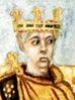
Charles 'the Bald' Emperor of the Holy Roman Empire
(13 Jun 823 - 6 Oct 877)
Charles 'the Bald' Emperor of the Holy Roman Empire 875-877;
King of Italy 876-877, King of West-France 843, Aquitaine 848, and Lorraine 869
Charles was born in Frankfurt on 13 June 823, the younger son of the Holy Roman Emperor Louis I 'the Pious', by his second wife Judith. When Charles was born, his elder half-brothers were already adults and had been assigned their own regna, or subkingdoms, by their father. The attempts made by Louis 'the Pious' to assign Charles a subkingdom, first Alemannia and then the country between the Meuse and the Pyrenees (in 832, after the rising of his son Pippin I of Aquitaine), were unsuccessful. The numerous reconciliations with the rebellious brothers Lothar I and Pippin, as well as their brother Ludwig II 'the German', king of Bavaria, made Charles' share in Aquitaine and Italy only temporary, but his father did not give up and made Charles the heir of the entire land which was once Gaul and would some day be France. At a Diet near Crémieux in 837, Louis 'the Pious' bade the nobles do homage to Charles as his heir. This led to the final rising of his sons against him, and Pippin I of Aquitaine died in 838, whereupon Charles finally received that kingdom. However Pippin's son Pippin II would be a perpetual thorn in his side.
The death of the emperor in 840 led to the outbreak of war between his sons. Charles allied himself with his brother Ludwig II 'the German' to resist the pretensions of the new emperor Lothar I, and the two allies defeated Lothar at the Battle of Fontenay-en-Puisaye on 25 June 841. In the following year, the two brothers confirmed their alliance by the celebrated Oaths of Strasbourg. The war was brought to an end by the Treaty of Verdun in August 843. The settlement gave Charles 'the Bald' the kingdom of the West Franks, which he had been up till then governing and which practically corresponded with what is now France, as far as the Meuse, the Saône, and the Rhône, with the addition of the Spanish March as far as the Ebro. Ludwig received the eastern part of the Carolingian Empire, known as the East Francia and later Germany. Lothar retained the imperial title and the Iron Crown of Lombardy. He also received the central regions from Flanders through the Rhineland and Burgundy as king of Middle Francia.
On 13 December 842 Charles had married Ermentrudis of Orléans, daughter of Eudes, comte d'Orléans, and his wife Ingeltrud. They had nine children of whom Judith and Louis II would have progeny. She separated from Charles after he executed her rebellious brother Guillaume in 866, and retreated to a life in a nunnery.
The first years of Charles' reign, up to the death of Lothar I in 855, were comparatively peaceful. During these years the three brothers continued the system of 'confraternal government', meeting repeatedly with one another, at Koblenz (848), at Meerssen (851), and at Attigny (854). In 858, Ludwig II 'the German', invited by disaffected nobles eager to oust Charles, invaded the West Frankish kingdom. Charles was so unpopular that he was unable to summon an army, and fled to Burgundy. He was saved only by the support of the bishops, who refused to crown Ludwig king, and by the fidelity of the Welfs, who were related to his mother Judith. In 860, he in his turn tried to seize the kingdom of his nephew, Charles of Provence, but he was repulsed. On the death of his nephew Lothar II in 869, Charles tried to seize Lothar's dominions, but by the Treaty of Meerssen (870) he was compelled to share them with Ludwig II 'the German'.
Beside these family disputes, Charles had to struggle against repeated rebellions in Aquitaine and against the Bretons. Led by their chiefs Nomenoë and Erispoë, who defeated the king at Ballon (845) and Juvardeil (851), the Bretons were successful in obtaining a de facto independence. Charles also fought against the Vikings, who devastated the country of the north, the valleys of the Seine and Loire, and even up to the borders of Aquitaine. Several times Charles was forced to purchase their withdrawal at a heavy price. Charles led various expeditions against the invaders and, by the Edict of Pistres of 864, made the army more mobile by providing for a cavalry element, the predecessor of the French chivalry so famous during the next 600 years. By the same edict, he ordered fortified bridges to be put up at all the rivers to block the Viking incursions. Two of these bridges at Paris saved the city during its siege of 885-886.
In 875, after the death of the Emperor Ludwig II (son of Charles' half-brother Lothar I), Charles, supported by Pope John VIII, travelled to Italy, receiving the royal crown at Pavia and the imperial insignia in Rome on 29 December. Ludwig II 'the German', also a candidate for the succession to Emperor Ludwig II, avenged himself by invading and devastating Charles' dominions, and Charles had to return hastily to Francia. After the death of Ludwig II 'the German' (28 August 876), Charles in his turn attempted to seize Ludwig's kingdom, but was decisively beaten at Andernach on 8 October 876. In the meantime, Pope John VIII, menaced by the Saracens, was urging Charles to come to his defence in Italy. Charles again crossed the Alps, but this expedition was received with little enthusiasm by the nobles or even by Boso, his regent in Lombardy, and they refused to join his army. At the same time Karlmann, son of Ludwig II 'the German', entered northern Italy. Charles, by then ill and in great distress, started on his way back to Gaul, but died while crossing the pass of Mont Cenis at Brides-les-Bain, on 5 or 6 October 877.
Charles was succeeded by his son Louis II. Charles seems to have been a prince of education and letters, a friend of the Church, and conscious of the support he could find in the episcopate against his unruly nobles, for he chose his councillors from among the higher clergy, as in the case of Guenelon of Sens, who betrayed him, and of Hincmar of Reims.
It is unlikely that Charles was actually bald. Rather, the epithet 'the Bald' is thought to be early medieval humour and historians generally agree that he was probably quite hirsute, with a full head of hair and a beard.
Source: Leo van de Pas
King of Italy 876-877, King of West-France 843, Aquitaine 848, and Lorraine 869
Charles was born in Frankfurt on 13 June 823, the younger son of the Holy Roman Emperor Louis I 'the Pious', by his second wife Judith. When Charles was born, his elder half-brothers were already adults and had been assigned their own regna, or subkingdoms, by their father. The attempts made by Louis 'the Pious' to assign Charles a subkingdom, first Alemannia and then the country between the Meuse and the Pyrenees (in 832, after the rising of his son Pippin I of Aquitaine), were unsuccessful. The numerous reconciliations with the rebellious brothers Lothar I and Pippin, as well as their brother Ludwig II 'the German', king of Bavaria, made Charles' share in Aquitaine and Italy only temporary, but his father did not give up and made Charles the heir of the entire land which was once Gaul and would some day be France. At a Diet near Crémieux in 837, Louis 'the Pious' bade the nobles do homage to Charles as his heir. This led to the final rising of his sons against him, and Pippin I of Aquitaine died in 838, whereupon Charles finally received that kingdom. However Pippin's son Pippin II would be a perpetual thorn in his side.
The death of the emperor in 840 led to the outbreak of war between his sons. Charles allied himself with his brother Ludwig II 'the German' to resist the pretensions of the new emperor Lothar I, and the two allies defeated Lothar at the Battle of Fontenay-en-Puisaye on 25 June 841. In the following year, the two brothers confirmed their alliance by the celebrated Oaths of Strasbourg. The war was brought to an end by the Treaty of Verdun in August 843. The settlement gave Charles 'the Bald' the kingdom of the West Franks, which he had been up till then governing and which practically corresponded with what is now France, as far as the Meuse, the Saône, and the Rhône, with the addition of the Spanish March as far as the Ebro. Ludwig received the eastern part of the Carolingian Empire, known as the East Francia and later Germany. Lothar retained the imperial title and the Iron Crown of Lombardy. He also received the central regions from Flanders through the Rhineland and Burgundy as king of Middle Francia.
On 13 December 842 Charles had married Ermentrudis of Orléans, daughter of Eudes, comte d'Orléans, and his wife Ingeltrud. They had nine children of whom Judith and Louis II would have progeny. She separated from Charles after he executed her rebellious brother Guillaume in 866, and retreated to a life in a nunnery.
The first years of Charles' reign, up to the death of Lothar I in 855, were comparatively peaceful. During these years the three brothers continued the system of 'confraternal government', meeting repeatedly with one another, at Koblenz (848), at Meerssen (851), and at Attigny (854). In 858, Ludwig II 'the German', invited by disaffected nobles eager to oust Charles, invaded the West Frankish kingdom. Charles was so unpopular that he was unable to summon an army, and fled to Burgundy. He was saved only by the support of the bishops, who refused to crown Ludwig king, and by the fidelity of the Welfs, who were related to his mother Judith. In 860, he in his turn tried to seize the kingdom of his nephew, Charles of Provence, but he was repulsed. On the death of his nephew Lothar II in 869, Charles tried to seize Lothar's dominions, but by the Treaty of Meerssen (870) he was compelled to share them with Ludwig II 'the German'.
Beside these family disputes, Charles had to struggle against repeated rebellions in Aquitaine and against the Bretons. Led by their chiefs Nomenoë and Erispoë, who defeated the king at Ballon (845) and Juvardeil (851), the Bretons were successful in obtaining a de facto independence. Charles also fought against the Vikings, who devastated the country of the north, the valleys of the Seine and Loire, and even up to the borders of Aquitaine. Several times Charles was forced to purchase their withdrawal at a heavy price. Charles led various expeditions against the invaders and, by the Edict of Pistres of 864, made the army more mobile by providing for a cavalry element, the predecessor of the French chivalry so famous during the next 600 years. By the same edict, he ordered fortified bridges to be put up at all the rivers to block the Viking incursions. Two of these bridges at Paris saved the city during its siege of 885-886.
In 875, after the death of the Emperor Ludwig II (son of Charles' half-brother Lothar I), Charles, supported by Pope John VIII, travelled to Italy, receiving the royal crown at Pavia and the imperial insignia in Rome on 29 December. Ludwig II 'the German', also a candidate for the succession to Emperor Ludwig II, avenged himself by invading and devastating Charles' dominions, and Charles had to return hastily to Francia. After the death of Ludwig II 'the German' (28 August 876), Charles in his turn attempted to seize Ludwig's kingdom, but was decisively beaten at Andernach on 8 October 876. In the meantime, Pope John VIII, menaced by the Saracens, was urging Charles to come to his defence in Italy. Charles again crossed the Alps, but this expedition was received with little enthusiasm by the nobles or even by Boso, his regent in Lombardy, and they refused to join his army. At the same time Karlmann, son of Ludwig II 'the German', entered northern Italy. Charles, by then ill and in great distress, started on his way back to Gaul, but died while crossing the pass of Mont Cenis at Brides-les-Bain, on 5 or 6 October 877.
Charles was succeeded by his son Louis II. Charles seems to have been a prince of education and letters, a friend of the Church, and conscious of the support he could find in the episcopate against his unruly nobles, for he chose his councillors from among the higher clergy, as in the case of Guenelon of Sens, who betrayed him, and of Hincmar of Reims.
It is unlikely that Charles was actually bald. Rather, the epithet 'the Bald' is thought to be early medieval humour and historians generally agree that he was probably quite hirsute, with a full head of hair and a beard.
Source: Leo van de Pas
Events
| Birth | 13 Jun 823 | ||||
| Marriage | 13 Dec 842 | Queercy-sur-Oise - Ermentrudis of Orleans | |||
| Death | 6 Oct 877 | nr Avrieux, Mt. Cenis |
Families
| Spouse | Ermentrudis of Orleans (830 - 869) |
| Child | Judith de France (844 - 870) |
| Father | Louis I "The Pious" Emperor of the Holy Roman Empire (778 - 840) |
| Mother | Judith von Altdorf (800 - 843) |
| Sibling | Gisla de France (819 - 874) |