Individual Details
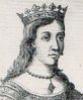
Beatrice de Provence
(1234 - 23 Sep 1267)
Beatrice was born about 1234, the youngest daughter of Raimund Berengar V, comte de Provence, and Beatrice de Savoie. Beatrice's father had four daughters but no surviving sons. His eldest daughter Marguerite had married King Louis IX of France; his next daughter Eleanor had married Henry III and was queen of England; and his third, Sancha, had married the wealthy Richard, earl of Cornwall, who would become emperor-elect in 1257, brother of King Henry. King Louis IX's marriage to Marguerite had been arranged by his mother Blanche of Castile in the hope that he would inherit Provence and Forcalquier when Raimund Berengar died. However Raimund left everything to Beatrice. Jaime I 'the Conqueror', king of Aragón, in the hope of uniting Provence and Toulouse, had planned to marry Beatrice, but the French court intervened by persuading the pope to refuse the marriage.
When Raimund Berengar died on 19 August 1245, Beatrice became one of the most attractive heiresses in medieval Europe. Various suitors had tried to seize her, so her mother Beatrice de Savoie placed the young Beatrice in a safe fortress, secured the trust of its people, then sought the pope's for his protection. In Cluny in December 1245, a secret discussion took place between Pope Innocent IV, Louis IX of France, his mother Blanche of Castile and his brother Charles Etienne of Anjou. It was decided that in return for Louis IX supporting the pope militarily, the pope would allow Charles, youngest brother to the French king, to marry Beatrice de Provence. However Provence was never to go to France outright through Charles. It was agreed that if Charles and Beatrice had children the county would go to them, and that if there was no issue the county would go to Sancha de Provence. If Sancha died without an heir, Provence would go to the king of Aragón.
Beatrice de Savoie, who had been granted the usufruct of the county for her lifetime according to her husband's will, agreed to the marriage between Charles and Beatrice. Charles, along with Philippe de Savoie and five hundred knights, rode from Lyon to Provence. On their way they encountered Raymond VII, comte de Toulouse, who also had an army on the way to Provence. However Raymond had brought fewer men and Charles and his army were quicker. When Charles reached Aix-en-Provence, Jaime I of Aragón, who was already there but had not been allowed to see Beatrice, had his soldiers surrounding the castle in which she and her mother were resident. There was a brief struggle, but the king of Aragón retreated with dignity. To the young Beatrice, Charles, who was described as 'an admirable young man', was a satisfactory resolution to her problems. The marriage took place in Aix-en-Provence. They had soldiers on guard and the bride was escorted down the aisle by her uncle Tommaso II de Savoie.
As soon as Charles became count of Provence he brought in his own team of French lawyers and accountants. He excluded his mother-in-law from the running of the county and began taking castles, power and fees away from the nobles who had previously enjoyed a certain degree of independence in the running of their cities. Charles made himself very unpopular. Beatrice de Savoie moved to Forcalquier in protest, and Charles' officials were thrown out of the city of Marseilles.
In May 1247 Charles and Beatrice were recorded as being in Melun where Charles was knighted by his brother Louis IX. Beatrice accompanied Charles on the Seventh crusade in 1248. Led by Louis, the crusaders made an extended procession through France. Before they left, Charles and Beatrice met with her mother in Beaucaire to try to come to terms over Provence. While the most important matters were left until Charles and Beatrice returned, it was decided that Beatrice de Savoie would give up the rights to 'the castle at Aix in exchange for a percentage of the county's revenue'.
Beatrice gave birth to her first child in Nicosia, 'a very elegant and well formed son', as Charles Etienne's elder brother Robert I, comte d'Artois, wrote home to their mother Blanche. Beatrice stayed with her sister Marguerite in Damietta, where they lost contact with the king and his army. Both women gave birth while in Damietta.
In 1250 they were reunited with the rest of the crusade at Acre, where the king's ransom was paid. Charles and Beatrice, along with several other nobles, left soon after. They journeyed to the court of Emperor Friedrich II to ask him to send the king of France more men for his crusade. However the emperor, who had been excommunicated, needed his army to fight the pope, and refused. Charles and Beatrice were then forced to go to Lyon to meet with the pope. By the time they returned to Provence in 1251, open rebellion had broken out, encouraged by Beatrice's mother who felt that Charles had failed to respect her claims in Provence. By July 1252 Charles had managed to defeat the revolt. However in November of the same year his mother Blanche of Castile died, and Charles and Beatrice had to go to Paris, where Charles co-ruled France with his brother Alphonse de France, comte de Poitou et Toulouse. The pope offered Charles the kingdom of Sicily in 1252, but Charles then had to turn the offer down, as he was preoccupied with other affairs and did not have the necessary funds.
The crusade returned in 1254. Charles and Beatrice spent Christmas in Paris that year, where all Beatrice's sisters and their mother were present, and it was noted that the other four women treated the younger Beatrice coldly, due to the terms of Raimund Berengar's will.
Beatrice's sister Marguerite publicly offended her in 1259 by not seating her at the family table, claiming that because Beatrice was not a Queen like her sisters she could not sit with them. Marguerite had hoped to provoke her sister into treacherous behaviour so that she would have a valid reason to invade Provence. Beatrice 'with great grief', went to Charles, who reportedly told her, 'Be at peace, for I will shortly make thee a greater Queen than them'.
When the new pope granted Charles the kingdom of Sicily, his challenge was to defeat Manfredo of Sicily, half-brother of emperor-elect Konrad IV, who had usurped the Sicilian throne from Konrad's son Konradin (Corradino). Another contender to win the throne of Sicily was Beatrice's nephew Edmund 'Crouchback', earl of Lancaster, but it soon became clear that Charles was the more promising candidate. To achieve his goal Charles needed an army and Beatrice helped her husband raise one. She called on all her knights as well as the young men of France, and she pledged all her jewels, to ensure that they joined her husband's army.
Charles first went to Rome, and Beatrice followed with the remaining army through the treacherous Alpine passes during the autumn of 1265. It took them nearly six weeks to reach Rome, but once both Charles and Beatrice were in Rome they were crowned King and Queen-Consort of Sicily on 6 January 1266. As soon as the coronation festivities had ended, Beatrice stayed in Rome with a small force to hold the city while Charles rode out to the Battle of Benevento. After her husband's victory on 26 February 1266, she chose the castle Melfi as their residence.
Charles and Beatrice had seven children of whom Charles II and Beatrice would have progeny.
Beatrice died on 23 September 1267, a little over a year after becoming queen. The cause of her death is not recorded. She was initially buried at Nocera, but Charles later moved her body to Aix-en-Provence where she was laid to rest with her father.
Source: Leo van de Pas
When Raimund Berengar died on 19 August 1245, Beatrice became one of the most attractive heiresses in medieval Europe. Various suitors had tried to seize her, so her mother Beatrice de Savoie placed the young Beatrice in a safe fortress, secured the trust of its people, then sought the pope's for his protection. In Cluny in December 1245, a secret discussion took place between Pope Innocent IV, Louis IX of France, his mother Blanche of Castile and his brother Charles Etienne of Anjou. It was decided that in return for Louis IX supporting the pope militarily, the pope would allow Charles, youngest brother to the French king, to marry Beatrice de Provence. However Provence was never to go to France outright through Charles. It was agreed that if Charles and Beatrice had children the county would go to them, and that if there was no issue the county would go to Sancha de Provence. If Sancha died without an heir, Provence would go to the king of Aragón.
Beatrice de Savoie, who had been granted the usufruct of the county for her lifetime according to her husband's will, agreed to the marriage between Charles and Beatrice. Charles, along with Philippe de Savoie and five hundred knights, rode from Lyon to Provence. On their way they encountered Raymond VII, comte de Toulouse, who also had an army on the way to Provence. However Raymond had brought fewer men and Charles and his army were quicker. When Charles reached Aix-en-Provence, Jaime I of Aragón, who was already there but had not been allowed to see Beatrice, had his soldiers surrounding the castle in which she and her mother were resident. There was a brief struggle, but the king of Aragón retreated with dignity. To the young Beatrice, Charles, who was described as 'an admirable young man', was a satisfactory resolution to her problems. The marriage took place in Aix-en-Provence. They had soldiers on guard and the bride was escorted down the aisle by her uncle Tommaso II de Savoie.
As soon as Charles became count of Provence he brought in his own team of French lawyers and accountants. He excluded his mother-in-law from the running of the county and began taking castles, power and fees away from the nobles who had previously enjoyed a certain degree of independence in the running of their cities. Charles made himself very unpopular. Beatrice de Savoie moved to Forcalquier in protest, and Charles' officials were thrown out of the city of Marseilles.
In May 1247 Charles and Beatrice were recorded as being in Melun where Charles was knighted by his brother Louis IX. Beatrice accompanied Charles on the Seventh crusade in 1248. Led by Louis, the crusaders made an extended procession through France. Before they left, Charles and Beatrice met with her mother in Beaucaire to try to come to terms over Provence. While the most important matters were left until Charles and Beatrice returned, it was decided that Beatrice de Savoie would give up the rights to 'the castle at Aix in exchange for a percentage of the county's revenue'.
Beatrice gave birth to her first child in Nicosia, 'a very elegant and well formed son', as Charles Etienne's elder brother Robert I, comte d'Artois, wrote home to their mother Blanche. Beatrice stayed with her sister Marguerite in Damietta, where they lost contact with the king and his army. Both women gave birth while in Damietta.
In 1250 they were reunited with the rest of the crusade at Acre, where the king's ransom was paid. Charles and Beatrice, along with several other nobles, left soon after. They journeyed to the court of Emperor Friedrich II to ask him to send the king of France more men for his crusade. However the emperor, who had been excommunicated, needed his army to fight the pope, and refused. Charles and Beatrice were then forced to go to Lyon to meet with the pope. By the time they returned to Provence in 1251, open rebellion had broken out, encouraged by Beatrice's mother who felt that Charles had failed to respect her claims in Provence. By July 1252 Charles had managed to defeat the revolt. However in November of the same year his mother Blanche of Castile died, and Charles and Beatrice had to go to Paris, where Charles co-ruled France with his brother Alphonse de France, comte de Poitou et Toulouse. The pope offered Charles the kingdom of Sicily in 1252, but Charles then had to turn the offer down, as he was preoccupied with other affairs and did not have the necessary funds.
The crusade returned in 1254. Charles and Beatrice spent Christmas in Paris that year, where all Beatrice's sisters and their mother were present, and it was noted that the other four women treated the younger Beatrice coldly, due to the terms of Raimund Berengar's will.
Beatrice's sister Marguerite publicly offended her in 1259 by not seating her at the family table, claiming that because Beatrice was not a Queen like her sisters she could not sit with them. Marguerite had hoped to provoke her sister into treacherous behaviour so that she would have a valid reason to invade Provence. Beatrice 'with great grief', went to Charles, who reportedly told her, 'Be at peace, for I will shortly make thee a greater Queen than them'.
When the new pope granted Charles the kingdom of Sicily, his challenge was to defeat Manfredo of Sicily, half-brother of emperor-elect Konrad IV, who had usurped the Sicilian throne from Konrad's son Konradin (Corradino). Another contender to win the throne of Sicily was Beatrice's nephew Edmund 'Crouchback', earl of Lancaster, but it soon became clear that Charles was the more promising candidate. To achieve his goal Charles needed an army and Beatrice helped her husband raise one. She called on all her knights as well as the young men of France, and she pledged all her jewels, to ensure that they joined her husband's army.
Charles first went to Rome, and Beatrice followed with the remaining army through the treacherous Alpine passes during the autumn of 1265. It took them nearly six weeks to reach Rome, but once both Charles and Beatrice were in Rome they were crowned King and Queen-Consort of Sicily on 6 January 1266. As soon as the coronation festivities had ended, Beatrice stayed in Rome with a small force to hold the city while Charles rode out to the Battle of Benevento. After her husband's victory on 26 February 1266, she chose the castle Melfi as their residence.
Charles and Beatrice had seven children of whom Charles II and Beatrice would have progeny.
Beatrice died on 23 September 1267, a little over a year after becoming queen. The cause of her death is not recorded. She was initially buried at Nocera, but Charles later moved her body to Aix-en-Provence where she was laid to rest with her father.
Source: Leo van de Pas
Events
| Birth | 1234 | ||||
| Marriage | 31 Jan 1246 | Charles I Etienne King of Naples and Sicily | |||
| Death | 23 Sep 1267 |
Families
| Spouse | Charles I Etienne King of Naples and Sicily (1226 - 1285) |
| Child | Charles II King of Naples, Sicily and Jerusalem (1254 - 1309) |